
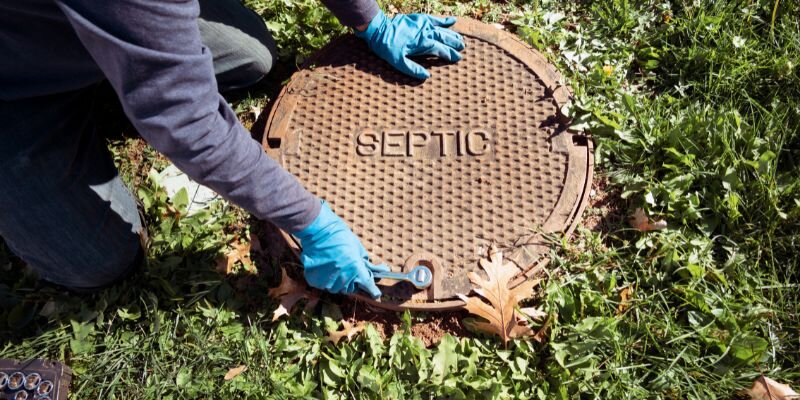
Your septic system just failed inspection. The buyer is walking away from your dream sale. You’re staring at repair estimates that make your eyes water.
I’ve been buying houses in New Jersey for over fifteen years, and I can tell you this: septic problems don’t have to kill your sale. They just change your strategy.
Every week, I meet homeowners who think a failed septic system means they’re stuck. That’s not true. You’ve got options, and some of them might surprise you. Let me walk you through what really happens when septic issues surface during a home sale in the Garden State.
Understanding New Jersey Septic System Regulations and Requirements
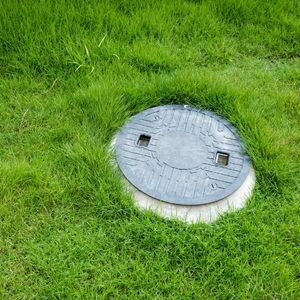
New Jersey septic systems are regulated by the Standards for Individual Subsurface Sewage Disposal Systems (NJAC 7:9A) and are overseen by local health departments. Here’s what that means for your sale.
New Jersey doesn’t have a single, uniform septic code that applies everywhere equally. Instead, you’re dealing with a layered system of state regulations through NJDEP, county health department rules, and sometimes even township-specific requirements.
This matters because Morris County might accept what Sussex County does not. In situations like this, working with cash home buyers in New Jersey can help sellers avoid delays caused by county-by-county septic regulations and inspection requirements. Burlington County, Camden County, and Gloucester County health departments differ in how they interact with NJAC 7:9A in some areas. I’ve seen sellers get blindsided by county-specific rules that they didn’t know existed.
Most NJ counties might require a septic system certification before you can sell a home with an on-site system. The timing varies by location, but the requirement is real.
New Jersey requires licensed engineer approval for septic system designs, soil testing, and proper permitting through local health departments. You can’t just hire any contractor to resolve your problems.
Signs of Septic System Failure Every Homeowner Should Know
Before we discuss selling, let’s make sure you actually have a problem. I’ve seen homeowners panic over minor issues that don’t need immediate attention.
A septic system fails when it no longer effectively treats wastewater, potentially leading to environmental contamination, unpleasant odors, or health hazards.
Watch for these red flags: sewage backing up into your house, soggy areas around your drain field, strong odors near the septic area, slow drains throughout the house, and gurgling sounds from toilets or drains.
Occasionally, what appears to be septic failure is actually a clogged pipe or a failed pump. Get a professional evaluation before assuming the worst.
Common Septic Tank Problems That Affect Property Sales
Not all septic problems are the same. Some kill the sale; others just need negotiation.
Tank structural damage is a deal-breaker. Large cracks, tank separation, or collapse require full septic tank replacement. Buyers won’t touch this with a ten-foot pole.
Drain field failure is expensive, but it is fixable. Once a field fails, it almost always needs to be replaced. You can’t “repair” saturated soil or remove biomat from gravel trenches.
Outdated systems create complications. Pre-1980s systems often don’t meet current NJDEP regulations and may require replacement during property transfers.
Pump failures and distribution box issues are usually repairable. Most septic problems can be repaired rather than replaced, especially issues with baffles, lids, pumps, or distribution boxes.
Septic System Inspection Process Before Listing Your Home
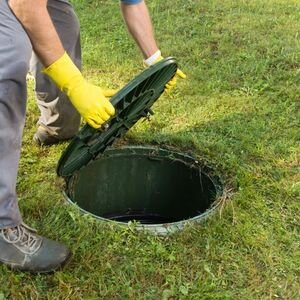
Smart sellers get ahead of septic issues. Don’t wait for a buyer’s inspection to reveal problems.
Your first step should be to hire a reputable septic inspection company to perform a hydraulic load test. This will determine whether or not your septic system is functioning properly. If the system passes inspection, then you will most likely be able to sell your home without issue.
Pre-sale inspections prevent surprises during real estate negotiations. Having your system checked before listing gives you time to address problems on your schedule rather than under buyer pressure.
Schedule your pre-listing septic inspection at least 30 to 45 days before you plan to list the property. If you find problems, you’ll need time to get repair estimates, obtain permits, and complete work before closing. Rushed septic compliance during a real estate transaction can create delays and additional costs.
The registry provides information on professional septic system inspectors who have self-certified that they will adhere to state regulations when conducting septic system inspections as part of a real property transfer.
Legal Disclosure Requirements for Septic Issues in New Jersey Real Estate
Here’s where things get serious. New Jersey doesn’t mess around with disclosure requirements.
New Jersey law mandates sellers to disclose any known material defects, including a failed septic system. Failing to do so can result in lawsuits or contract rescissions.
The Real Estate Consumer Protection Enhancement Act, which went into effect on August 1, 2024, requires ALL sellers of ALL residential real property, including banks, estate administrators, and other entities, to disclose on the Seller’s Property Condition Disclosure Statement any known condition of the property to the best of their knowledge.
Sellers must disclose the source of water, the sewage system (public/septic/cesspool), the discharge of wastewater, purification systems, the water heater, any plumbing defects and related fixtures, and any abandoned or shut-off systems.
New Jersey real estate sellers must disclose known defects as well as unknown defects that are not readily observable to the buyer. Deliberate concealment of a “latent defective condition material to the transaction” constitutes sufficient grounds for rescinding a contract or awarding monetary damages to a buyer.
Even if you’re selling “as-is,” you still need to disclose known problems. Selling real estate “as is” in New Jersey means the owner transfers the property in its current condition with existing defects and will not make repairs, improvements, or price concessions. Even in “as is” sales, buyers may be allowed to inspect the premises and cancel the transaction afterward.
How Septic Problems Impact Home Value and Market Price
Let’s talk numbers. The median home price in New Jersey is $564,400 as of October 2025. This marks a 5.8% increase over last year. With a median days-on-market of 60 days statewide, you don’t want septic issues to push your timeline out.
A failed septic system can knock 10-20% off your home value, depending on repair costs. If replacement runs $35,000 on a $500,000 house, you’re looking at potential impact beyond just the repair cost.
Buyers factor in hassle, timeline delays, and uncertainty. Even if you offer a credit for repairs, some buyers will walk away rather than sale with the complexity.
Location matters enormously. A septic issue in Hunterdon County hits differently than the same problem in Cumberland County, which represents New Jersey’s most affordable market, with a median of around $280,000.
Cost Analysis of Septic Tank Repairs vs Selling As-is
Here’s where I help homeowners make smart financial decisions every day.
Septic system repairs usually cost $500-$5,000, while replacements run $15,000-$35,000+. But that’s just the beginning of your math.
In general, a septic tank replacement cost (in the same spot) runs about $10,000 to $15,000, depending on the tank size and location. If you’re getting a whole new system, you should expect to pay between $35,000 and $60,000, including construction, engineering, and surveying costs.
Factor in your carrying costs while repairs happen. The design process typically takes 4-6 weeks, depending on site conditions and the quality of government records, so your best bet is to get your design started before you have a buyer under contract.
Add permit fees, inspection costs, and potential delays. Some sellers discover they’re spending $40,000 to fix a system, plus three months of mortgage payments, taxes, and maintenance.
That’s where companies like Better Cash Buyer come into the picture. We buy houses in their current condition, septic problems and all: no repairs, no permits, and no waiting for contractors.
Septic Tank Replacement Options for New Jersey Homeowners
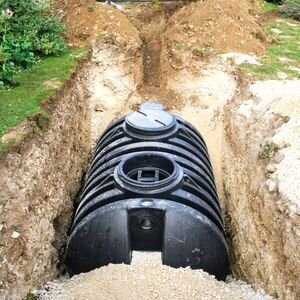
If you decide to fix the problem, understand your options.
New Jersey requires engineered septic systems for residential installations. That means hiring a licensed engineer to design your system, submit plans to the county health department, and coordinate inspections.
Much of New Jersey has heavy clay soil, particularly in northern counties. Clay doesn’t drain well; it holds water. That means standard gravity systems often won’t work, requiring more sophisticated (and expensive) alternatives.
Properties near reservoirs, in valleys, or near wetlands often have high water tables. When the water table is high, standard tanks can actually float out of the ground when empty. Solutions include pump systems, special anchoring, and aerobic treatment units, adding $3,000-$7,000 to the project.
Your soil conditions determine everything. Your neighbor with sandy soil might pay $20,000 for a gravity system. You, with clay soil 30 feet away, might need a $28,000 sand mound system.
Alternative Wastewater Treatment Systems in New Jersey
Sometimes, conventional septic isn’t your only option.
Advanced treatment units work well for challenging sites. If your property’s soil conditions aren’t ideal for a conventional anaerobic septic system, you may be better served by an aerobic septic system, often called an “advanced treatment unit.”
Mound systems manage poor soil conditions. They’re expensive but effective when traditional drain fields won’t work.
Constructed wetlands offer environmental benefits but require specific conditions and ongoing maintenance.
Each alternative comes with different costs, maintenance requirements, and regulatory approval processes.
Finding Qualified Septic System Contractors in New Jersey
New Jersey requires licensed contractors and professional engineering oversight for all septic installations. DIY septic work is illegal and creates liability issues if it fails or contaminates groundwater.
Look for contractors with current New Jersey licenses, experience with your county’s requirements, references from recent projects, insurance and bonding, and engineering relationships.
Local expertise matters because county-specific rules vary across New Jersey. Professionals familiar with your municipality navigate these local requirements efficiently.
Get multiple estimates, but don’t automatically choose the lowest offer. Would you rather pay for a system installed correctly or for one that might need $8,000 in repairs within 10 years? Sometimes the lowest offer wins the job. The best installation wins the next 30 years.
Septic System Financing Options for Buyers and Sellers
Septic repairs aren’t cheap, and not everyone has $35,000 sitting around.
Home equity loans work if you have sufficient equity and excellent credit. Interest rates are typically lower than those for personal loans.
Personal loans offer faster approval but higher rates. Some lenders specialize in home improvement financing.
Contractor financing is available through some septic companies, but read the terms carefully.
For sellers, offering financing to buyers can keep sales alive. You might structure a seller-financed arrangement that covers septic repairs.
Cash buyers eliminate financing complications. That’s one reason many sellers with septic issues choose to work with investors like Better Cash Buyer, who can close quickly without loan contingencies.
New Jersey Septic Permit Requirements for Property Transfers
All new septic installations, complete system replacements, drain field expansions or repairs, tank replacements, and any modifications exceeding $1,000 in value require permits from your local health department. Simple pumping and minor repairs, such as baffle replacement, typically don’t require permits.
All new septic system installations in New Jersey require permits from your local health department. Penalties for unpermitted work are serious. Installing or altering a septic system without approval can result in fines, the need to remove the system, and complications when selling your property.
In applications for both building new systems and changing existing systems, the Board of Health or its authorized agent will require a Certificate from a New Jersey-licensed engineer stating that the information, measurements, and date in all submitted plans and drawings are true and accurate.
Permit timelines vary by county. Some health departments move quickly; others take weeks. Factor this into your sale timeline.
How to Sell a House with Septic Tank Issues in New Jersey
You’ve got four main paths when septic problems surface:
Fix it yourself. Handle repairs before listing. This gives you maximum control but requires upfront investment and time. Works best when repairs are minor, and you’re not in a rush. If you’re trying to understand which option fits your situation, it helps to first look at how our process works so you can see how cash offers are structured and why many homeowners choose this route when repairs feel overwhelming.
Negotiate with buyers. Offer credits, escrow arrangements, or price reductions. In some cases, buyers may request that the seller repair or replace the failed septic system before closing. Alternatively, sellers can negotiate a lower sale price to offset repair costs.
Market to investors. Some buyers specifically look for properties with problems. If you’re in Monmouth County or nearby coastal areas, you may also be able to sell your Asbury Park house faster through local cash buyers who regularly handle septic and system-related property issues. They’ll factor repair costs into their offers but won’t walk away from septic issues.
Sell to a cash buyer. Companies like Better Cash Buyer specialize in properties with exactly these kinds of problems: no repairs, no permits, no hassle.
I’ve helped hundreds of New Jersey homeowners navigate septic issues. The right choice depends on your timeline, finances, and stress tolerance.
Real Estate Agent Strategies for Marketing Homes with Septic Issues
If you’re working with an agent, make sure they understand septic marketing.
Price strategically. Don’t try to hide repair costs in your listing price. Buyers will discover the issue during inspection anyway.
Disclose upfront. Buyers appreciate a homeowner’s honesty and may be more willing to work with you if they trust your disclosures.
Target the right buyers. Market to investors, contractors, or buyers specifically looking for projects.
Provide documentation. Have inspection reports, repair estimates, and permit information ready.
Consider pre-marketing inspections. Some agents recommend getting septic inspections done before listing, then marketing the results transparently.
Negotiating a real estate sale with Known Septic System Defects
Negotiation changes completely when septic issues are on the table.
Buyers often worry about the financial burden of repairing or replacing a septic system. Providing estimates from reputable contractors can help alleviate these concerns.
Some buyers fear that addressing a septic system issue will delay closing. Clear solutions, such as credits or escrow agreements, can help ease their concerns.
Escrow arrangements work well for both parties. Buyer gets assurance that repairs will happen, and the seller maintains some control over the process.
Price adjustments need to account for more than just repair costs. Factor in buyer hassle, timeline delays, and risk.
Multiple repair estimates give buyers confidence and show you’ve done your homework.
Cash Buyers vs Traditional Financing for Homes with Septic Problems
Here’s where cash buyers have a massive advantage.
If a septic inspection reveals problems, buyers in New Jersey can typically walk away from the transaction if their contract includes a septic inspection contingency (most do). Smart buyers make the inspection a condition of purchase, protecting themselves from inheriting a $20,000-$35,000 replacement project.
Mortgage lenders get nervous about septic issues. They might require repairs before closing or refuse to lend on properties with failed systems.
FHA loans are particularly strict about septic compliance. VA loans have their own requirements.
Cash buyers like Better Cash Buyer don’t sell with lender requirements. We can close on properties that mortgage lenders won’t touch.
Speed matters too. While traditional buyers spend weeks arranging financing and inspections, cash buyers can close in days or weeks.
Timeline Expectations for Resolving Septic Issues During Home Sales
Time kills sales, especially when septic problems surface mid-transaction.
If you’re fixing problems during a sale, inspection, and design, it takes 2-4 weeks; permit approval takes 1-3 weeks (varies by county); installation takes 1-2 weeks; and the final inspection takes 1 week.
That’s a minimum of 5-10 weeks, assuming no delays. If caught early and addressed properly, many buyer inspections can repair rather than replace many New Jersey septic system problems.
Weather affects timelines. You can’t install septic systems in frozen ground or during heavy rain periods.
Contractor availability matters. Good septic contractors stay busy, especially during construction season.
For sellers who can’t wait months for repairs, selling to a cash buyer eliminates the pressure of waiting.
Frequently Asked Questions
Can You Sell a House with a Bad Septic System in NJ?
In New Jersey, selling a home with a failing septic system is legal, but it involves specific obligations and considerations. You must disclose the problem to potential buyers, but you can absolutely sell the property. Many buyers will walk away, but others, especially investors and cash buyers, actively seek these opportunities.
What is the new law on septic tanks in NJ?
New Jersey’s septic regulations continue to evolve in 2026, with stricter enforcement of property transfer requirements, updated permitting requirements, and expanded environmental protection standards for systems near water bodies. All septic installations require NJDEP-approved engineering plans, soil testing, and health department permits. The most significant change is increased enforcement of transfer inspections in most counties.
Is It Hard to Sell a House with a Septic Tank?
It depends on the system’s condition. Houses with properly functioning septic systems sell normally. Properties with failed or problematic systems face more challenges, including buyer financing difficulties, longer marketing times, and lower offers. However, selling to cash buyers or investors who specialize in problem properties can make the process much smoother.
Who Usually Pays for a Septic Inspection, the Buyer or the Seller?
Buyers typically require a septic system inspection as part of the home-buying process. A licensed septic service professional evaluates the system to identify issues and determine the extent of necessary repairs or replacements. The buyer usually pays for their own inspection, though sellers sometimes pay for pre-listing inspections to identify problems early.
Look, septic problems don’t have to derail your home sale. They just change your approach. If you’re dealing with a failed septic system and want to understand your options, you can contact us anytime to get a straightforward cash offer and see what selling as-is could look like for your property.
I’ve bought dozens of houses in New Jersey with septic issues. From failed drain fields in Morris County to outdated cesspools in South Jersey, these problems have solutions.
Sometimes the best solution is fixing the system. Sometimes it’s finding the right buyer who doesn’t mind the work. And sometimes it’s selling to someone like us who buys houses exactly as they are.
If you want to talk through your options, we’re here. No pressure, no obligation. Just honest advice from someone who’s been navigating New Jersey septic issues for over fifteen years.
Helpful New Jersey Blog Articles
- Fixing Up A House To Sell In New Jersey
- How to Sell a House With Code Violation in New Jersey
- How Do I Short-Sell My House in New Jersey
- Is the Seller Responsible for Any Repairs After Closing
- Should I Renovate My House or Sell As-Is
- Can I Sell My Home After 1 Year?
- Squatters Rights in New Jersey
- Sell Your House With Delinquent Property Taxes In New Jersey
- Force Sale of Real Estate Property in New Jersey
- Sell Your New Jersey Home When Septic Tank Issues
- Paperworks For Selling Your House By Owner In New Jersey
- Sell Your House During Foreclosure in New Jersey
- Selling My Parents House in New Jersey
- Can I Sell My House for Less Than Appraised Value