
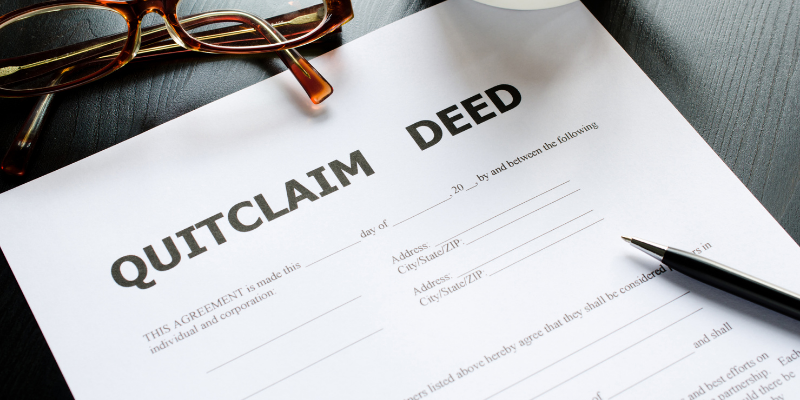
Understanding the Fundamentals of a Quitclaim Deed in New Jersey
Under New Jersey law, a quitclaim deed grants someone else (the grantee) a right to or control of real estate. The grantor is the person who gives the deed. A quitclaim deed is not the same as other deeds because it does not promise or guarantee that the title is valid. People need to do this when they already trust each other, like when family members or ex-couples move in together.
It is important to know that, in New Jersey, a quitclaim deed conveys only the grantor’s interest at the time of execution. It doesn’t say for sure that there are no liens or other claims on the land. Being careful to fill out and sign the deed with correct information about the place and both people is part of the process.
It’s against the law in New Jersey to sign something without writing something on it. After being signed, the quitclaim deed is turned in to the county clerk’s office in the county where the land is located. The transfer is now complete, and the text is open to everyone.
If you know these things, it will be easier to buy and sell homes in New Jersey.
What Makes Quitclaim and Warranty Deeds Different in NJ Real Estate Deals
There is another type of deed that is not the same as a promise deed. People in New Jersey who own land or want to buy land should know this. It means that the person who signs the lease gives up their right to live on the land. But this doesn’t mean that there are no fees or other claims on the title.
People in the same family use this form to ensure they know who owns something after a split or when there are no title issues. Though a warranty deed is better because it ensures the owner has a clear title to the property and is free to sell it without claims or liens.
It is agreed that this promise will cover title flaws from the past and the present. People who want to buy a standard home and want to be covered in case something goes wrong are more likely to be interested in warranty deeds. A quitclaim paper quickly changes who owns the property in a New Jersey real estate deal, but it doesn’t do much to protect the buyer legally. On the other hand, warranty papers protect you formally in many ways.
If you’re planning to sell your Newark house fast or buy a home for cash in Jersey City, Better Cash Buyer can make the process smoother. They handle title issues, liens, and closing costs, so you can move forward stress-free.
Legal Requirements to Execute a Quitclaim Deed in New Jersey
People in New Jersey who sign a quitclaim deed must follow certain legal steps to ensure the transfer of property is valid and legal. The quitclaim paper must first make it clear who the owner is (the person giving up their interest in the property) and who the receiver is (the person who will get the interest).
The lease should list the items being moved to ensure everything is clear. The full names of both partners must be on the paper.
A notary public checks the owner’s name to ensure it is genuine and that they are who they claim to be before they sign the quitclaim deed. A quitclaim deed must also be filed with the county clerk’s office in the county where the land is located, according to NJ law. This makes sure that everyone knows when someone takes over and that a list shows the changes.
Also, everyone should check whether any towns in New Jersey charge fees or taxes for moving. Each state has rules on how to use quitclaim deeds to transfer land. If you do these things the right way, you will be following those rules.
Importance of Title Searches Before Filing a Quitclaim Deed in NJ
You must do a full title check in New Jersey before signing a quitclaim deed. This is to ensure the transfer of property ownership goes smoothly. There may be liens, encumbrances, or claims on the land that could make the quitclaim deed invalid. A title check finds these things.
People in New Jersey can use this method to look for issues such as back taxes, mortgages, or court cases involving land. You might run into these issues if you don’t thoroughly review the title before using a quitclaim deed to transfer property.
It is very important to ensure the title is clear and can be sold, since quitclaim deeds don’t guarantee the title is in good shape; they merely give up any rights the grantor may have to it. When people in New Jersey file a quitclaim deed, they should do a full title check first. This makes everyone safer and more sure of the deal.
Step-by-Step Guide for Filing a Quitclaim Deed in New Jersey
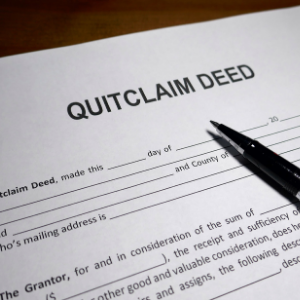
There are many important steps that must be taken in New Jersey to ensure that the change of land control is legal. First, get a quitclaim deed form that shows you understand New Jersey law. You can talk to an agent or do this online.
Write down the full names and addresses of both the grantor and the grantee on the form. Also, provide a full description of the property being moved. Make sure that everything is right to avoid arguments in the future.
In New Jersey, the paper needs to be notarized before it can be used. The contract must be signed in the presence of a public notary. After getting the quitclaim deed stamped, send it to the county clerk’s office in the county where the land is located. This is what needs to be done for the transfer to be legal and for everyone to know about it.
Are you ready to pay any fees the county clerk’s office charges? You should also check with your city or town government to see if any additional forms or information are required due to New Jersey’s unique city rules.
Getting a quitclaim deed in New Jersey will be easy and quick if you follow these rules. This will give everyone peace of mind.
Whether you want to sell your New Jersey house faster or somewhere else in the state, Better Cash Buyer can help. They can make the process easier and get you the money faster.
Costs and Fees for Filing a Quitclaim Deed in New Jersey
When you want to sell or give away a home in New Jersey, you need to know about the fees and costs. A quitclaim deed costs money to file. The price varies from town to town and is usually between $30 and $50.
You might have to pay a small fee to get pictures of the property that has been checked out and logged. Depending on the terms of the deal, you may also have to pay transfer fees. Hire a lawyer to draft or review the quitclaim contract and ensure it is correct and in compliance with New Jersey law. You might have to pay them to do this.
Some people use law groups or online companies that help people with this. In the long run, this may cost them more, but it can give them peace of mind by ensuring they follow all the rules when they transfer property rights without standard title claims.
The Function of Notarization and Witnesses in New Jersey Quitclaim Deeds
It is against the law in New Jersey to issue a quitclaim deed for real estate unless certain conditions are met. When someone uses a quitclaim deed to transfer property, they must sign it in front of a notary public to ensure it is valid and legal.
The people who sign the quitclaim deed need to be notarized to verify their identities and that their signatures are genuine. A quitclaim deed doesn’t have to be signed in front of a witness in New Jersey, but having one or more witnesses can help ensure it’s genuine and avoid accuracy issues.
The donor signed the document freely and without coercion, as evidenced by the notary public’s seal. This extra legal step ensures that the easy and legal transfer of property rights through a quitclaim deed is possible in the state of New Jersey.
This extra legal step ensures that the easy and legal transfer of property rights through a quitclaim deed is possible in the state of New Jersey.
For the transfer to go through quickly with the county clerk and for property records to properly show who owns the property now, it is very important that the document is notarized correctly. It can be easier to get your name removed from a property if you know the right steps to take. This will also help you avoid legal or financial problems.
Common Mistakes to Avoid When Filing A Quitclaim Deed In New Jersey
It is very important not to make common mistakes when writing a quitclaim deed for real estate in New Jersey. These mistakes could cause problems or make the deed invalid. One common mistake is failing to properly identify the grantor and grantee; their names must be spelled correctly and match any other available records.
People also often give incorrect property descriptions; make sure the legal description matches what is recorded in the county records. A lot of people don’t get all the required signatures, especially when more than one person is interested in the land.
Another important step that is often missed is having the signature notarized. If the signature is not notarized, the quitclaim paper might not be legally binding. Also, failing to adequately consider the tax implications could be problematic, as giving property away with a quitclaim deed could trigger a tax review or capital gains taxes.
Also, it’s important to quickly record the deed with the county clerk’s office in the area where the land is located. If you don’t, third parties could challenge your ownership. Lastly, talking to a real estate lawyer before writing will help ensure you’re following New Jersey state rules and avoid these common mistakes during the quitclaim process.
How to Correct Errors on a Filed Quitclaim Deed in New Jersey
This is to ensure the property records are correct. This is an important document that needs to be corrected immediately if it contains any incorrect information. First, you need to understand what’s wrong. Names might not be spelled correctly, land might not be stated correctly, or legal information might be wrong.
When you find a mistake in the first quitclaim deed, you need to write a new one. This is also known as a correction deed. To fix things, the move must be right the whole way through. To find the original paper, write down the date, the book, the page, or the band number.
The new document needs to be changed a few times before it can be used in New Jersey. Check that the new property is valid by visiting the county clerk’s office where the first quitclaim deed was filed.
During this process, it’s very important to keep track of the property fees paid. Moved property rights and fights over who owns a house in New Jersey are out of the question. Instead, hire a real estate agent to help you with these steps.
The Tax Implications of Transferring Property by Quitclaim Deed in New Jersey

When you use a quitclaim deed to transfer land in New Jersey, it’s important to know how the changes will affect your taxes. You don’t have to pay central state taxes when you sign a quitclaim deed, but you do have to pay the Realty Transfer Fee when the deed is filed.
This fee is based on the property’s estimated value or sales price. This fee might still be needed even if no money changes hands, such as when quitclaim deeds are used to transfer property to family members. It depends on how much the property is worth on the market.
If the move is considered a gift exceeding the federal gift tax limit, it may be subject to federal gift tax. It is very important to keep in mind that a quitclaim deed only moves an interest; it does not give anyone a right not to pay capital gains taxes if they sell the property for more than they paid for it.
Additionally, receivers should be aware that transferring ownership in this way may affect their ability to obtain certain property tax breaks or to obtain reassessments under New Jersey law. Talking to a real estate lawyer or tax expert can help you understand your financial responsibilities and make sure you’re following all the rules.
How Do I File a Quitclaim Deed in New Jersey?
To ensure the real estate transfer is legal and enforceable in New Jersey, filing a quitclaim deed is a simple process. First, make sure you have a quitclaim deed form that meets New Jersey’s legal standards. You can get these forms from official real estate websites or buy them at a nearby stationery store.
Type in the full names of the grantor and grantee, as well as a full legal description of the land. Finish the deed by writing down the small amount of money (usually one dollar) that was paid or the terms of the deal. A notary public must observe the grantor’s signature, and their approval verifies that it is genuine.
The deed is filed at the county clerk’s office where the land is located after it has been notarized. You will need to pay a recording fee, which varies by county, when you hand over the property. Most clerks will also need an Affidavit of Consideration. Check the clerk’s website to see what other papers they need.
The deed will be recorded at the clerk’s office. The recording stamp will show that the donor has given up all rights and that the grantee is now the record owner. To keep for future use and to avoid losing it by accident, make and keep at least one copy of the filed quitclaim deed. By ensuring that all steps are taken in accordance with New Jersey’s laws and local rules, the transfer will be complete and can serve as proof in the event of a later dispute.
Can I Prepare a Quit-Claim Deed Myself?
You can write a quitclaim deed in New Jersey, but you must follow a few steps to ensure it complies with state law. A quitclaim deed lets someone transfer title to real estate, usually to a family member, without making any promises about the property’s condition.
Start by getting the right form. The New Jersey Division of Taxation has a website where you can download it, or you can visit any office supply store that sells legal forms to get a blank copy. The name and address of both the person giving up the title (grantor) and the person receiving it (grantee) should be written on it. You should also include a full legal account of the land. Often, you can copy and paste this from the property deed you already have.
Don’t skip the notary. Both the grantor and the recipient must sign the quitclaim deed in front of a notary public. That signing helps ensure that the title is given and received by the same people listed on the form. Last but not least, take the original deed to the county clerk’s office in the county where the land is located. The clerk will stamp it and give you a copy.
Making the deed can work, but talking to a real estate lawyer or title company for a short time can often clear up any problems and make sure you’ve met all of New Jersey’s requirements.
How Much Does a Quitclaim Deed Cost in New Jersey?
When planning your budget for a quitclaim deed in New Jersey, several factors influence the total cost. The county recording fee is the most important part. It is charged every time the deed is filed at the county clerk’s office where the land is located. The exact fee varies by county, but it’s usually between $30 and $50.
In addition to the recording fee, property owners generally have to pay extra for notarization. Hiring a real estate lawyer is another option if the deed is complex or if someone wants to ensure they’re complying with their state’s rules. Lawyer fees for writing or reviewing the deed usually vary. Hiring a lawyer is not required, but it can help ensure that all formal requirements are met so the title transfer goes smoothly.
New Jersey doesn’t charge transfer taxes just because the deed is filed. This is one reason why some people choose a quitclaim deed over a warranty deed. To avoid title issues or challenges in the future, it is best to ensure the quitclaim deed is executed exactly as required by law. Professional help isn’t required, but it should be considered when the goal is to move property kindly or clear a title. This makes them a smart budget item.
Should You Hire an Attorney When Using a Quitclaim Deed in New Jersey?
You should carefully consider whether you want to use a lawyer to help you prepare a quitclaim deed. According to New Jersey law, you don’t need an attorney to sign this kind of property. However, talking to a real estate lawyer for a short time often pays off by removing doubt and risk. An attorney will ensure the deed is properly drafted, includes all necessary legal language, and makes it clear what each signer intended.
Even if the deed is otherwise easy, small mistakes like leaving out a power of attorney or missing a middle initial can make it useless. Usually, the lawyer will compare the deed to the property’s original deed and ensure that all references to earlier documents are correct.
A title check will also be ordered by the lawyer to ensure there are no hidden mortgages or judgments that could cause problems for the new owner after the quitclaim deed is signed. Also, tax, estate, and land-use effects are easier to see when trained eyes look over a deed.
If you give someone control of your property without selling it, the deed may cause a big change in your property taxes, make your mortgage payments due on the sale, or give the IRS something they don’t want. If the parties know what the effects will be in advance, they may be able to change the contract or other parts of the deal to limit or avoid those effects.
Spending thirty minutes with a lawyer will generally save you hours of explaining things, filling out forms, and, worst case, legal wranglings that happen after a quitclaim is recorded incorrectly.
Selling your home in New Jersey is simple with Better Cash Buyer. From fast cash offers to handling all the paperwork, they make the process stress-free. Contact us at (347) 386-2549 today to learn more!
Helpful New Jersey Blog Articles
- How To Execute A Quitclaim Deed For Real Estate In New Jersey
- What to Do If You Inherit a House with a Mortgage in New Jersey
- How to Sell a House With Code Violation in New Jersey
- How to Sell a House with Water Damage in New Jersey
- How to Sell a House Without a Realtor in New Jersey
- How to Sell a Hoarder House in New Jersey
- Selling a House During Divorce in New Jersey
- Selling a House in Probate in New Jersey
- Selling a House with Fire Damage in New Jersey
- Squatters’ Rights in New Jersey
- Can You Sell a House with Tenants in New Jersey?
- Quit Claim Deed in NJ
- Who Pays Taxes When Selling a House in NJ?
- How To Execute A Quitclaim Deed In New Jersey
- Inherited House With Siblings In New Jersey
- New Jersey Closing Costs Without A Realtor
- Selling Your Inherited House In New Jersey

| PROPERTY DEED | OWNERSHIP INTEREST | REVOCABLE LIVING TRUST | BENEFICIARY | SEAL | FORECLOSURES |
| FORECLOSURE DEFENSE | STATUTES | RISKS | REALTOR | PROBATE | PHOTOCOPIED |
| PHOTOCOPY | MAP | LANGUAGE | INBOX | RIGHT OF SURVIVORSHIP | |
| CHILD | THE GRANTOR HAS | COUNTY CLERKS OFFICE | THE COUNTY CLERKS | THE COUNTY CLERKS OFFICE |