

Understanding Squatter’s Rights in New Jersey
Squatters’ rights are an important part of land law in New Jersey. These rights let people claim ownership of land or property if certain conditions are met. Property owners and squatters need to know these rules.

What are Squatter’s Rights?
Squatter’s rights are the legal rights that people can get by living on someone else’s land without permission. The squatting laws in New Jersey make it clear when these rights can be used. This set of laws tells both squatters and property owners what they can and cannot do.
How Do Squatters Establish Their Rights?
Squatters can get rights in New Jersey by proving they have lived on the land for a while. Squatters can legally become property owners through this process if certain conditions are met:
- Continuous Possession: The squatter must live on the property continuously for a set period.
- NJ Laws on Squatting: Following specific state laws when making an adverse possession claim is necessary.
The Legal Framework Surrounding Adverse Possession

Adverse possession laws in New Jersey guide how property disputes involving squatters are resolved. Knowing this framework is helpful for anyone involved in these disputes.
What does it mean to have adverse possession in New Jersey?
You have to follow a lot of strict rules in New Jersey in order to claim adverse ownership.
First, there’s the issue of time. The person who lives on the land generally has to stay there for around 30 years if the land is privately owned.
Second, the way the trait is used is important. It must be clear (not hidden), private (not shared with anyone, not even the owner), and the owner must not let anyone else see it. In other words, it must clearly infringe the owner’s rights.
You might be able to make a claim for adverse ownership if all of these are true.
Tips for Making a Strong Adverse Possession Claim
A squatter must show the following in order to properly claim adverse possession:
For squatters to be in notorious possession, other people, including the owner, must be able to see how they are using the property.
Continuous Occupation: The squatter must live there without stopping for the stipulated amount of time and meet all other requirements for adverse occupation.
Differentiating Between Squatters and Trespassers
New Jersey landowners need to know the difference between trespassers and squatters. Both involve taking something without permission, but each is dealt with in a different way by state law.
How Do New Jersey Laws Define Squatters vs. Trespassers?
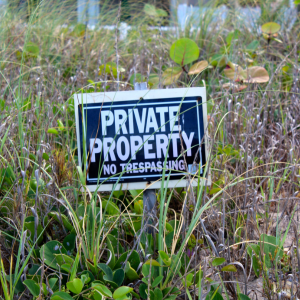
- Squatter: A squatter in New Jersey is someone who lives in a place without permission. Squatters, unlike trespassers, may be able to claim the land as their own if they meet certain conditions over time.
- Terrspassers are people who go on or stay on someone else’s land without permission. In the eyes of the law, trespassing is always wrong, and squatting is even less clear.
Squatters can sometimes claim their rights if they live on the land openly and continuously. Trespassers, on the other hand, are immediately prosecuted because they have no right to be there.
What legal protections are there for people who own property?
New Jersey property owners have a number of ways to protect their homes from thieves and trespassers:
- Eviction Process: Property owners can evict squatters by following legal procedures.
- Legal Rights: Owners can take civil action against trespassers for unlawful entry.
- Squatter Removal: There are specific processes for removing squatters, often requiring court orders.
Knowing about these laws helps property owners protect their rights and deal with people who don’t belong there.
Navigating New Jersey’s Property Laws
It’s tough to understand the land rules in New Jersey. These rules apply to everyone who lives there and everyone who buys and sells land. Anyone who owns, rents, or buys land must follow these rules.
What laws apply to squatters who control property?

These rules must be followed by people who sit:
- Adverse Possession: People who break the law can stay on someone else’s land for a while as long as they follow some rules.
- Residential Property Statutes: These rules make sure that people can properly live in and use their homes. They look out for the rights of people who own and rent houses.
These rules will help renters deal with squatting in a way that doesn’t hurt their rights.
How Do These Laws Affect Dealing With Real Estate?
A number of rules affect real estate deals in New Jersey, for example:
- Real Estate Transactions: The presence of squatters can complicate sales or transfers. Buyers must ensure clear titles before completing transactions.
- Adverse Possession Claims: Such claims can impact the transaction process by imposing additional legal challenges.
- Legal Framework: Knowing the rules about property protects everyone involved in a real estate deal, making the deal legal.
Managing these legalities requires careful attention to prevent property ownership or sales complications.
Steps to Take if You Encounter a Squatter
Having a squatter live on your land can be awful. As a New Jersey property owner, I know how important it is to know the rules in order to handle this concern in the right way.
What Immediate Actions Should Property Owners Consider?

As soon as you see a squatter:
- Check Their Status: Find out if the person is just camping or if they can rent the place and live there.
- Call the police. You can call the police to find out if someone is breaking the law.
- Talk to a Lawyer: Talk to a lawyer who knows how the New Jersey squatter laws work. If you want to get rid of squatters, you need to know how the New Jersey full eviction process works.
- Respect Legal Rights: Legal rights should be respected. Don’t do anything that hurts the squatter’s rights, as it could make the case harder.
How to Document Squatting Cases Effectively?
You have legal rights as a property owner that are protected by good paperwork:
- Collect Evidence: Draw a picture of your property and keep all of your conversations with the squatter as proof.
- Keep Records: Carefully copy police reports, threats, and other papers, then keep them safe.
- Get Professional Help: Get help from a professional. A lawyer who has helped New Jersey get rid of squatters before can help you gather proof.
Exploring Tenant Rights and Responsibilities
Knowing tenant rights and responsibilities helps differentiate legitimate tenants from squatters, aiding legal management.
How Do Tenant Rights Intersect with Squatter Situations?

Squatter cases and renter rights sometimes come up together when there are old leases or unofficial deals:
- Review Agreements: Check the papers to see if the renter is real.
- Consider Legal Outcomes: You should look into New Jersey law to see how rental rights affect squatting before you do it.
- Try Mediation: You should try to negotiate. It is possible to get along for a long time without going to court.
What Obligations Do Landlords Have Under State Law?
New Jersey law says that landlords must follow certain rules:
- Maintain Properties: Regular maintenance stops problems before they happen and protects tenants’ rights.
- Learn Eviction Rules: To handle tenant or squatter issues, you need to know the eviction rules for your state.
- Meet Legal Requirements: Following New Jersey’s laws keeps you out of trouble and helps you keep good relationships with your tenants.
For more resources, visit Better Cash Buyer, where you can find insights into property management and legal processes.
Common Myths About Squatting and Property Ownership
Many people have misconceptions about squatter rights and property ownership. Some think squatters can easily get legal rights to a property without any consequences, which leads to confusion. This misunderstanding often comes from pop culture, not from knowing the actual law. Laws about squatter rights change depending on the area, such as in New Jersey (NJ), where specific rules apply.
What Misconceptions Exist Regarding Squatters’ Legal Standing?

People have a lot of false ideas about squatters’ legal rights in New Jersey.
- Squatters Can Quickly Gain Ownership: Squatters have to follow strict rules for several years before they can legally claim rights.
- Squatters Have No Rights: In New Jersey, squatters don’t have many rights that protect them from being illegally evicted.
- Property Owners Can Easily Evict Squatters: Property owners can easily get rid of renters. However, they have to follow certain legal steps, which could take some time.
How Can Property Owners Protect Themselves from False Claims?
Property owners can take these steps to safeguard their property from squatters:
- Regular Inspections: Visit properties often to spot unauthorized occupants early.
- Keep Records: Maintain clear documentation of property ownership and occupancy.
- Swift Legal Action: Start eviction proceedings as soon as unauthorized occupancy is found.
- Legal Strategies in NJ: Consult legal experts familiar with NJ property dispute guidelines for tailored advice.
Evaluating Legal Recourse and Support Options
There are a number of ways to help property owners and landlords:
- Know the Difference: Know the differences between the rights of tenants and those of people who aren’t supposed to be there.
- NJ Assistance Programs: Use programs that offer advice and help to deal with problems related to squatters.
- Legal Resources: To do the right thing, find local tools that focus on landlord and tenant law.
What Legal Resources Are Available to Address Squatter Issues?

To deal effectively with squatting, understanding laws and resources is crucial:
- NJ Squatter Laws: Learn the state-specific rules regarding squatting.
- Legal Support for Owners: Hire attorneys skilled in real estate law to help with evictions.
- Squatter Eviction Process in NJ: Understand each step necessary to reclaim property control.
How Can Landlords Seek Professional Assistance?
Here are some things you might want to do if you rent and have to deal with thieves:
- Hire Legal Aid: Get help from a pro. Hire people who know New Jersey law to make sure you do everything right.
- Strong Property Management: If you don’t want people to move in without telling you, you need smart rent control.
- Use NJ Resources: You can use the tools in New Jersey to learn about possible court cases and get ready for them.
People who own or rent property can get rid of squatters if they know what to do, study as much as they can, and use the right legal and professional tools. To stay safe, you should be able to tell the difference between lies and the truth.
Long-Term Strategies for Preventing Squatting

Preventing squatting is important for property owners, particularly in places like New Jersey, where property laws can be complicated. By learning and applying effective strategies, property owners can safeguard their rights and maintain control over their properties.
What Preventive Measures Can Property Owners Implement?
There are a few things property owners can do to keep thieves away:
- Regular Inspections: Check the property often to make sure it isn’t being used unfairly.
- Security Systems: Use alarms and security cameras to keep people from getting in without permission.
- Clear Signage: Put up “no trespassing” signs that people can see to let them know that entering without permission is against the law.
- Legal Preparations: Learn about the property rules in New Jersey so you know your rights and what you can do legally if someone squats on your property.
How Does Regular Property Maintenance Help?
It is important to keep up with land maintenance so that people don’t squat:
- Visibility: Squatters stay away from homes that are kept up well because they look like someone is living there.
- Early Detection: If you do regular checks, you can find out if you are squatting too early.
- Safety Improvements: People can stay safe if repair problems are fixed, which could make it easier for renters to move in or stay.
The Role of Education and Community Awareness
Education and community awareness are key to reducing squatting. An informed community helps people understand and respect property laws.

Why Is Community Education Important in Reducing Squatting Incidents?
It’s important for the community to have public schools because:
- Increases Awareness: It makes people more aware by telling them about squats and land rights.
- Promotes Legal Knowledge: In New Jersey, this helps people understand property rules, which means they are broken less often by accident. This gets people interested in the law.
- Encourages Reporting: Smart people are more likely to tell things that don’t seem right, which helps keep places safe.
How Can Public Engagement Improve Understanding of Property Laws?
The following things can happen when the public helps people understand property rules:
- Organizing Workshops: Setting up classes to teach lawyers how to deal with New Jersey land and squatting.
- Collaborative Initiatives: Get people in your area to join neighborhood watch groups so they can look out for illegal behavior and report it.
- Leveraging Media: Use the local media to spread the word about how important property rights are and the right way to squat.
These steps can help property owners and groups stop people from squatting and protect and support property rights.
These findings apply across all of New Jersey, including areas in and around Paterson, Atlantic City, Ocean City, Newark, and Union City. If you need further assistance, please contact us at (347) 386-2549. Visit our website to learn more about our company.
Helpful New Jersey Blog Articles
- Fixing Up A House To Sell In New Jersey
- How to Sell a House With Code Violation in New Jersey
- How Do I Short-Sell My House in New Jersey
- Is the Seller Responsible for Any Repairs After Closing
- Should I Renovate My House or Sell As-Is
- Can I Sell My Home After 1 Year?
- Squatters Rights in New Jersey
- Sell Your House With Delinquent Property Taxes In New Jersey
- Force Sale of Real Estate Property in New Jersey
- Sell Your New Jersey Home When Septic Tank Issues
- Paperworks For Selling Your House By Owner In New Jersey
- Sell Your House During Foreclosure in New Jersey
- Selling My Parents House in New Jersey
- Can I Sell My House for Less Than Appraised Value