

Is Trenton, NJ, Safe in 2025? Crime Stats & Local Insights
Trenton gets a bad rap online, and quite frankly, some of it is deserved. The crime statistics aren’t pretty, and specific neighborhoods will have you locking your car doors twice. But it’s not like you’re dodging bullets on every corner either. Many people live here and sleep well at night.
The real question isn’t whether Trenton is universally safe or dangerous—it’s which parts of town you can actually relax in and which ones require serious street smarts. We’re talking about actual crime data, neighborhood breakdowns, and the kind of practical information that helps you make informed decisions about this city. Let’s get into it.
Is Trenton, New Jersey, a Safe Place to Live?
The answer to whether Trenton, New Jersey, is a Safe place to live is a bit complicated. Trenton‘s crime rate is higher than that of most cities in New Jersey, which immediately raises concerns. But thousands of residents go about their lives here without major drama.
Some neighborhoods feel totally safe, while others require serious street smarts. Your experience depends entirely on where you plant yourself and how aware you stay of your surroundings.
West Trenton feels worlds apart from certain downtown blocks, so blanket statements about the whole city just don’t work.
For homeowners who decide Trenton isn’t the right long-term fit, investor house buyers in Trenton offer a fast, practical exit. Better Cash Buyer purchases homes in Trenton as-is, in any neighborhood, with no repairs, showings, or delays—providing a straightforward cash option when safety concerns or life changes make selling the smart move.
Trenton, NJ Crime Rate
Trenton‘s crime rates exceed the state and national averages. This is what earns it that sketchy reputation. But let’s break down what that actually means for you.
Violent Crime Rates in Trenton
Violent crime in Trenton occurs at a rate of approximately 9.6 incidents per 1,000 residents. That’s roughly triple New Jersey’s average. Most of this comes from robberies and aggravated assaults rather than murders.
Gang activity also contributes significantly to these incidents, particularly in economically disadvantaged areas. Your actual risk remains relatively low unless you’re hanging out in known trouble spots late at night or involved in the wrong circles.
Most people go weeks, months, even years without witnessing anything violent.
Property Crime Trends
Property crime happens way more often than violent stuff. We’re looking at about 28 per 1,000 residents. This means roughly 1 in 36 people may experience theft or break-ins each year.
Car thefts are quite prevalent here. Trenton consistently ranks high for stolen vehicles in New Jersey, especially older Hondas and Nissans. Burglaries also occur frequently, particularly in areas with vacant homes or inadequate security.
The numbers fluctuate year to year but haven’t shown significant improvement or deterioration over the past five years. Good locks and a security system aren’t optional extras here.
How Does Trenton’s Safety Index Compare to Other New Jersey Cities

Trenton ranks near the bottom when compared to other New Jersey cities. Yes, Newark, Camden, and Atlantic City keep it company down there, but most other towns outdo Trenton in terms of safety.
Princeton, West Windsor, and basically any suburban township make Trenton look rough by comparison. Even mid-sized cities like Elizabeth and New Brunswick report lower crime rates.
The safety index ranks Trenton at around 15 out of 100, indicating that only 15% of U.S. cities are considered more dangerous. That’s not a stat anyone’s bragging about. However, comparing Trenton to wealthy suburbs isn’t entirely fair, as they’re dealing with completely different economic realities and population densities.
How Trenton Crime Compares to National Averages
Nationally, Trenton‘s not winning any awards either. The violent crime rate here sits about 2.5 times higher than the U.S. average, and property crime runs nearly double the national numbers.
Cities of similar size across the country often report better statistics, though many urban areas struggle with the same issues Trenton faces. Places like Detroit, St. Louis, and Baltimore have it worse, but that’s cold comfort when you’re trying to decide if Trenton works for you.
The reality is that Trenton‘s crime rate reflects decades of economic decline, population loss, and the challenges that have affected many former industrial cities. You’re safer here than in some notorious trouble spots, but you’re definitely taking on more risk than the average American city offers.
The Safest Neighborhoods in Tarenton
Not all of Trenton feels sketchy. A few neighborhoods actually offer a decent quality of life with way lower crime rates than the city average.
Chambersburg
Chambersburg is situated in the southern part of Trenton, and it feels more like a typical neighborhood than the rougher areas. There are tree-lined streets, older homes that people actually take care of, and families who’ve been here for decades.
Crime happens, but it’s nowhere near what you’ll find in North or East Trenton. People walk their dogs here, kids ride bikes, and you can leave your house without that constant edge of worry.
It’s not perfect. You still want to lock up and stay aware, but it’s about as good as it gets in Trenton proper.
Cadwalader Heights
Cadwalader Heights borders Hamilton Township, which helps keep things calmer. The homes here are primarily single-family houses with actual yards, and the streets stay quiet.
Property crimes pop up occasionally, but violent incidents are rare. Many working families choose this area specifically because it offers a suburban vibe while keeping you close to downtown job opportunities.
You’re still in Trenton, so don’t get too relaxed, but this neighborhood won’t have you checking over your shoulder every five minutes.
West Trenton
West Trenton practically feels like a different city. It has parks, decent schools, and significantly more green space than the urban core. Crime rates here drop considerably compared to central Trenton, and the whole area just breathes easier.
Families actually stick around here instead of bolting for the suburbs the second they can afford it. You’ll find more homeowners than renters, which usually means people invest more in keeping their blocks safe and clean.
If you’re set on living in Trenton but want to sleep soundly at night, West Trenton‘s your best bet.
Areas That Require Extra Caution

Some parts of Trenton demand serious street smarts and might not be worth the stress. Let’s talk about where things get dicey.
North Trenton
North Trenton struggles hard with both violent and property crime. Gang activity runs higher here. Also, shootings happen often enough that locals don’t even flinch when they hear about another one.
The housing stock includes many rundown properties and vacant buildings, which only invites more crime. Drug activity is visible on certain corners, and robberies happen frequently enough that you’d be taking a real gamble living here.
Some long-time residents make it work, but if you’ve got other options, take them.
East Trenton
East Trenton deals with similar issues: high poverty, vacant properties, and crime that never really lets up. Car thefts and break-ins happen regularly, and violent crime pops up more than anyone wants.
The area has been in decline for years, and despite some revitalization efforts, it hasn’t shown signs of improvement. Walking alone after dark here is a bad call, and even during the day, you want to stay alert.
Many good people live in East Trenton and do their best with what they have, but the neighborhood itself presents real safety challenges that cannot be ignored.
Downtown/Central Trenton
Downtown Trenton features government buildings, businesses, and tourist attractions, but it also has its share of crime. During business hours with people around, it’s mostly fine. But once offices close and the streets empty out, things shift.
Muggings happen, especially near the train station and in parking areas. Homeless populations cluster in certain spots. While most people are harmless, drug use and mental health crises play out visibly.
If you work downtown, you’re likely to be okay during the day. Please refrain from staying after hours, and avoid leaving valuables in your car.
Factors Contributing to Crime Rates in Trenton
Trenton‘s crime problem didn’t just appear overnight. Several interconnected issues continue to fuel the cycle.
Economic Challenges and Their Impact
Trenton‘s poverty rate hovers around 26%, which is significantly higher than the rest of New Jersey. When people can’t find decent jobs or afford basic needs, crime becomes a survival strategy for some and a side effect of desperation for others.
The city has lost major employers over the decades, and the manufacturing jobs that once supported families aren’t returning. Unemployment runs higher here than in surrounding areas, and the jobs that do exist often pay poverty wages.
You can’t separate crime from economics. They’re just tangled up together. Until people have real opportunities to earn a living, the crime stats won’t budge much.
Community Policing Efforts
The Trenton Police Department has implemented community policing initiatives, where officers build relationships with residents instead of just responding when something goes wrong. Some neighborhoods have seen officers walking beats, attending community meetings, and working with local organizations to address problems before they explode. It’s hit or miss, though.
Budget constraints mean the department’s stretched thin. Additionally, the trust between police and residents remains rocky in areas that have experienced decades of tension.
When community policing is effective, it truly makes a difference. People report crimes more, cooperate with investigations, and feel safer. However, it requires consistent effort and resources that Trenton may not always have.
Population Density and Urban Development
Trenton packs about 10,000 people per square mile into a relatively small area, which creates its own pressures. High-density housing, particularly older apartment buildings and public housing projects, tends to concentrate poverty and crime in specific areas.
Vacant properties dot the landscape. Trenton has hundreds of abandoned buildings that become drug dens, squatter havens, and crime magnets. The city’s tried demolition programs and redevelopment plans, but progress crawls along slowly.
Dense urban environments can thrive when they’re well-maintained and economically healthy. However, when they’re neglected, they spiral fast. Trenton is dealing with that spiral in real time.
Educational Opportunities and Youth Programs
Trenton‘s public schools struggle with funding, low test scores, and lagging graduation rates. Kids growing up without a good education have fewer pathways out of poverty, which feeds right back into the crime cycle.
Youth programs exist (sports leagues, after-school activities, mentorship opportunities), but they’re underfunded and can’t reach everyone who needs them.
Since teenagers often lack constructive places to spend their time and energy, some end up in gangs or engaging in petty crime simply to feel connected to something. The schools that excel, such as some magnet programs, demonstrate what’s possible when kids receive genuine support. But too many Trenton youth fall through the cracks and never get that chance.
Practical Tips for Residents to Live Safely in Trenton
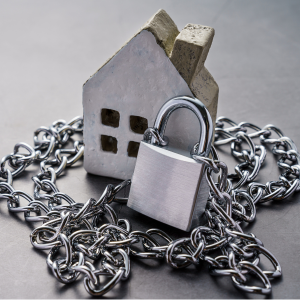
You can reduce your risk in Trenton with some pretty simple strategies. Here’s what some of Trenton’s residents do.
Home Security Measures
Get great deadbolts on all your doors and actually use them every single time you leave, even if you’re just running to the corner store. Window locks matter, too. First-floor windows are easy targets if they’re not secured.
A security system with visible cameras and alarm company signs makes your place significantly less appealing to burglars, who’ll likely move on to easier targets.
Motion-sensor lights around your property are also helpful, especially for driveways and back entrances. If you can afford it, a Ring doorbell or similar camera system lets you see who’s at your door before you open it.
Don’t advertise what you own. Keep expensive items out of view, and avoid leaving boxes from new electronics on the curb for trash day. Basic stuff, but it genuinely cuts your chances of getting hit.
Community Involvement and Awareness
Get to know your neighbors, even if it’s just a wave and occasional small talk. When people on your block recognize each other and look out for suspicious activity, crime drops. Join your neighborhood watch group if one exists, or start one if it doesn’t.
Attend community meetings where police and residents discuss local issues and concerns. You’ll learn which blocks are having problems and what’s being done about them.
The more connected you are to your community, the safer you’ll feel and actually be. People who isolate themselves become easier targets, but when you’re part of the fabric of your neighborhood, you’ve got eyes watching your back.
Vehicle Safety and Parking Strategies
Never leave your car unlocked in Trenton. Ever. Thieves constantly check door handles, and an unlocked vehicle is essentially an invitation to theft. Don’t leave anything visible inside, including your phone charger, loose change, or shopping bags.
Valuables in plain sight scream, “break my window.” If you’ve got a garage, use it. If you’re parking on the street, pick well-lit areas near houses where people can see your car from their windows.
Steering wheel locks look old-school, but they actually deter thieves who want quick, easy grabs. GPS tracking devices help recover stolen vehicles, though preventing the theft in the first place is obviously better.
And if you have an older Honda or Nissan, consider installing extra anti-theft measures, as those models are frequently targeted in Trenton.
Personal Safety When Walking or Using Public Transit
Stay aware when you’re walking around. Keep your phone in your pocket instead of waving it around, and save the headphones for safer environments where you need to hear what’s happening around you.
Stick to main streets with foot traffic and good lighting, especially after dark. If something feels off about a situation or person, trust that instinct and change your route.
When you’re using NJ Transit buses or trains, stay near other passengers and avoid empty cars or platforms late at night. Keep your bag close and zipped up. Don’t flash cash or expensive jewelry.
Most of this is just urban common sense, but it matters more in Trenton than it would in Princeton. The vast majority of the time, you’ll be fine. Just don’t make yourself an easy target by being oblivious or careless.
Frequently Asked Questions:
Is Trenton safer than Newark?
They’re pretty comparable, honestly, with both cities struggling with higher-than-average crime rates. Newark has more total incidents, but the numbers per capita run similarly.
Some Newark neighborhoods feel safer than parts of Trenton and vice versa. Neither city wins safety awards, but both have pockets where people live everyday lives without constant drama.
What’s the safest part of Trenton to live in?
West Trenton is the safest part, followed by Chambersburg and Cadwalader Heights. These areas have lower crime rates, better-maintained properties, and a more neighborhood feel, where people actually know each other. You’re still in Trenton, so you can’t get completely complacent, but your risk drops significantly in these spots compared to North or East Trenton.
Should I avoid downtown Trenton altogether?
Not completely. It’s fine during business hours when there’s foot traffic and activity, as government workers, tourists, and people conducting business downtown move through safely every day. Just don’t hang around after dark, especially in isolated areas like parking lots or near the train station. Treat it like any urban downtown: aware and intelligent, not paranoid but not careless either.
Are Trenton’s crime rates getting better?
Not really. They’ve plateaued rather than improved significantly. Some years tick down slightly, others bounce back up. The overall trend line stays flat at that uncomfortable high level. Specific neighborhoods have seen improvements thanks to community efforts and new development. However, the numbers haven’t shifted city-wide in either direction over the past five years.
How does Trenton compare to other state capitals?
Compared to other state capitals nationally, Trenton ranks among the more dangerous ones. Cities like Hartford, Jackson, and Baton Rouge deal with similar urban crime challenges. Safer capitals like Boston, Austin, or Denver have significantly more economic opportunities and resources than Trenton does. Among the rougher capitals, though, Trenton is in the middle of the pack rather than the absolute worst.
Can I safely raise a family in Trenton?
Many families do it, especially in safer neighborhoods like West Trenton and Chambersburg. You’ll need to be choosy about your specific location, stay involved in your community, and teach your kids street smarts earlier than you might in the suburbs.
Good schools exist, but you may need to explore magnet programs or charter options. It’s doable, but it requires more intentional effort than raising kids in a low-crime suburb would.
Key Takeaways: Is Trenton, NJ, Safe?
Trenton‘s safety is complicated and location-dependent. Crime rates run higher than state and national averages, with property crimes and violent incidents happening more frequently than in most New Jersey cities. However, neighborhoods like West Trenton, Chambersburg, and Cadwalader Heights provide safer environments where families can live comfortably. Meanwhile, areas like North Trenton and East Trenton require serious caution. Your actual safety depends on where you live, how vigilant you remain, and the security measures you take.
If Trenton’s crime concerns have you considering selling your property to a company that buys homes in Newark, Trenton, and other cities in New Jersey, and moving on, Better Cash Buyer can help you close that chapter quickly. We buy houses in any neighborhood. Contact us at (347) 386-2549 to receive a fair cash offer and discover how quickly you can transition to your next chapter.
Helpful Trenton Blog Articles
- Paperwork For Selling Your House By Owner In Trenton, NJ
- Selling A House With A Lien In Trenton, NJ
- Selling A Foreclosed House In Trenton, NJ
- Closing Costs Without A Realtor In Trenton, NJ
- Selling Your Trenton, NJ, Home As-Is
- Is Trenton, NJ, a Good Place to Live?
- Trenton, NJ Neighborhood Map
- Trenton, NJ Capital Gains Tax Calculator
- Best Things to Do in Trenton, NJ, With Kids
- Trenton, NJ, Property Managers
- Trenton, NJ, Property Tax Rate
- Fun Facts About Trenton, NJ
- Trenton, NJ Cost of Living
- Is Trenton, NJ, Safe?