

Understanding the process of short sale in New Jersey is quite challenging. However, for distressed homeowners, it is very important to understand. Short-selling your home is better than being foreclosed on because it will cause less damage to your credit. Below are the steps to take in order to do so, including the evaluation of your eligibility and the preparation of the relevant documentation. However, for distressed homeowners, understanding the short sale process, as well as the available options, will go a long way in making the transaction smoother in today’s ever-changing housing market. At Better Cash Buyer, we assist you every step of the way.
Brief Overview
To avoid foreclosure and credit damage, New Jersey short sales must be understood. Assessing eligibility, preparing documentation, and negotiating with lenders are covered in this comprehensive guide. Successfully selling your home requires managing timelines and highlighting its features. The guide compares short sales’ and foreclosures’ credit impacts, emphasizing the need for informed decisions to preserve real estate opportunities. By using expert advice and connecting with New Jersey cash buyers and nearby cities, homeowners can manage financial distress and transition smoothly into the vibrant New Jersey real estate market.
Key Highlights
- Short sales protect credit scores and prevent foreclosures, which can impact future real estate opportunities.
- Learn the process and prepare documentation to succeed in a New Jersey short sale.
- Showing off home features and writing a compelling listing can speed up the short sale and attract buyers.
- To overcome lender objections and complete a short sale, communication and negotiation are crucial.
- Short sales are less damaging to credit and can speed up homebuying.
Understanding the Short Sale Process in New Jersey
The short sale process in New Jersey can be overwhelming, but knowing the steps in advance can help tremendously. The short sale helps homeowners sell their homes for less than the amount they owe on their mortgages, aiding those who are financially distressed. New Jersey short sellers have to complete certain steps in conjunction with expert real estate agents. This part will focus on the basic steps needed to start the short sale process in New Jersey, from the home seller’s perspective, prioritizing factors that could help or hinder the home sale process.
Steps to Initiate a Short Sale
Starting a short sale in New Jersey requires you to first understand your personal finances. In order to do this, you must collect some personal documents, such as your tax returns, your bank statements, and your proof of income. Then, you need to create a detailed hardship letter describing your loss of work, medical emergencies, or any other financial problems you may have, as this is a persuasive tool to convince a lender that a short sale is necessary.
After this, you can contact your mortgage lender to find out what requirements and expectations they have. At this point, you should also contact a real estate agent. Since they will be the ones dealing with the mortgage lender, you will need to focus more on your agent when it comes to property sale pricing, property listing, and communicating with the lender. As long as you are proactive, responsive, and honest in order to maintain transparency in the process, your lender is more likely to approve the short sale.
The Importance of Preparing Your Listing
Establishing your listing is a crucial element in practicing a short sale in New Jersey. Focus on the best features of your home and compose a listing that makes your home competitive in the market. Describe the property in a distinctive way and showcase all sides to gain interest and expedite the sale. Such preparation aids in attracting buyers and puts the seller in a better position to negotiate with the banks and other involved parties. Partnering with a cash-for-houses company in Trenton, NJ, and its surrounding areas can expedite the process and attract serious buyers.
How to Highlight Your Home’s Best Features
New Jersey short sales require you to showcase your home’s best features. First, your home’s curb appeal should be stellar. Fresh paint, clean landscaping, and new fixtures easily attract buyers. Then, on the inside, make sure to highlight the best features of the home, remodeling if necessary. Focus on the natural light, the amount of space available, the hardwood floors, the granite countertops, or the fireplace. Buyers appreciate high-quality photos and virtual tours, and this helps them envision living in the home.
Show your listing’s audience. For families, you can emphasize the schools or parks. For investors, highlight the rental potential or the estate’s value. Document the renovations to show the home’s modernity. To showcase the home’s charm and potential is to attract buyers and speed up the short sale process.
| Aspect to Focus On | Recommended Actions | Benefit to Sale Process |
|---|---|---|
| Curb Appeal | Invest in landscaping and exterior touch-ups | Creates a positive first impression |
| Interior Upgrades | Benefit to the Sale Process | Increases perceived value of the property |
| Photography | Use high-quality images and staging | Attracts more potential buyers online |
| Descriptive Language | Highlight unique features and recent renovations | Engages prospective buyers’ interests |
| Market Trends | Align listing price with current market conditions | Modernize key areas such as the kitchen and bathrooms |
This table outlines key steps in creating a standout property listing, including buyer profile-compatible strategies that accelerate sales.
Navigating the Short Sale Timeline in New Jersey

Selling a house in a short sale in New Jersey is a long process, as it deals with a lot of complex issues, requiring great patience to execute properly. The duration of short sale deals is variable, and in order to understand it and possibly find ways to reduce the duration necessary, a homeowner must understand the time of sales in accordance with the lenders involved, the documents that are to be provided, and the state of the New Jersey real estate market. Homeowners sell, and in order to achieve that, it is important to understand the timing of sales, as it helps to achieve a better price.
Factors Affecting Duration and How to Expedite the Process
The New Jersey short sale process can be extended due to things like market conditions, the number of lenders involved, and the offer that is received. If there are multiple loans or home equity lines, then the approvals may take longer. If the market is slow, then there are likely fewer buyers. Preparing and submitting a complete short sale package helps to quicken the offer review by the lenders, and this includes the financial documents along with a detailed hardship letter.
Having good communication with the lenders and the buyers, along with using short sale experts and electronic methods like virtual tours to market the property, can help to speed things up. Good, transparent, and trusted marketing will help to gain multiple offers and will also help to achieve a successful short sale more quickly.
Common Challenges with Short Sales
Although short sales can benefit sellers undergoing financial hardship, they also create new challenges. In New Jersey’s fast-paced real estate markets, short sellers have to deal with lender objections, complex documentation, and difficult negotiations. In this section, we analyze the challenges associated with short sales and provide actionable insights to navigate them. For short sales to provide sellers and lenders the results they expect, sellers need to understand the challenges and how to overcome them.
Strategies for Overcoming Objections from Lenders
The most common objection to short sales is the lender’s issue. Lenders want to recover as much of the mortgage as possible. A seller’s possible resolution is the preparation of a detailed hardship letter explaining the financial loss. This should be supported with loss of income documentation or medical bills. A short sale package with supporting tax returns, bank statements, and a market analysis of the New Jersey area will demonstrate that the loss will be supported by comparable sales.
Sellers will be more prepared and will also have a more favorable chance of gaining lender approval when there is transparency and reposing. The preparation of clear communication, the collection of short sales, and the establishment of effective streamlining will also aid in the preparation of a positive negotiation collection. Flexible counter reduction, along with pricing, will positively impact closing lender sales and counter sales. Based on the information presented, the establishment of effective collection, along with negotiation streamlining, will improve the seller’s opportunity for closing the short sale.
Comparing the Short Sale vs. Foreclosure
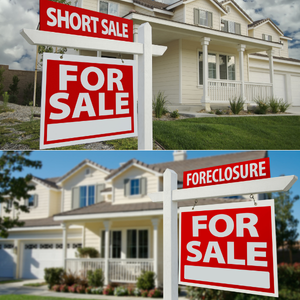
A New Jersey homeowner’s financial future can depend on a short sale or foreclosure. Both processes affect sellers’ credit and real estate opportunities. In financial distress, understanding these differences can help sellers succeed. Credit scores can vary, affecting future homebuying. Additionally, each path has different timelines, ownership, and relocation consequences. This choice requires careful consideration of how both options may affect financial stability.
Impact on Credit and Future Real Estate Opportunities
New Jersey homeowners need to learn about the difference in credit implications between a short sale and a foreclosure. In a short sale situation, a homeowner sells a house for less than the total mortgage debt. In this scenario, the credit score can drop 80 to 150 points. In a foreclosure scenario, the score can drop 200 to 400 points. Less damage to the credit score from short sales translates to the ability to borrow money again in the future. Foreclosures and short sales both stay on credit reports for seven years. Foreclosures carry more stigma, credit-wise.
As for short sales, new homes can be purchased much faster. After a short sale, a new home can be purchased in as little as 2 years. After a foreclosure, the waiting period can be as long as 7 years. If a seller manages their debts in a responsible manner and, in some cases, gets a deficiency waiver, the seller improves their position with the lender, which ensures that the seller will not lose financial stability and the potential to own a home in the future.
New Jersey homeowners should carefully consider their credit options to minimize the financial impact and plan their next steps.
- Discuss all legal options and defenses with a foreclosure defense attorney.
- A housing counselor can advise on state-specific foreclosure prevention programs.
- Compare short sale and foreclosure tax implications.
- HAMP and FHA-HAMP eligibility should be understood.
- Discuss restructuring options with your lender immediately.
- Consider each option’s credit score recovery time.
- Consider alternative housing if you must move.
- Post-transaction budgeting helps restore financial stability.
In these difficult situations, homeowners can reduce the financial and emotional toll with careful planning and professional advice.
New Jersey short sales can be complicated, but with preparation and guidance, you can succeed. Strategic homeowners can complete a short sale and protect their finances by negotiating with lenders and managing timelines. For legal advice, credit mitigation, and success, contact Better Cash Buyer today. With professional help, you’ll gain confidence, stay informed, and make financial decisions that secure your future during this important transition.
Wondering how to short-sell my house in New Jersey? Whether you need to sell quickly, avoid costly repairs, or want a hassle-free process, Better Cash Buyer can help. We provide fair cash offers, manage all the details, and make the sale seamless. Ready to sell or have questions? Call us at (347) 386-2549 for a no-obligation offer and get started today!
FAQs
What is a short sale, and why consider it in New Jersey?
A short sale involves selling a property for less than the mortgage. It helps financially struggling people avoid foreclosure and its credit damage.
What steps are involved in initiating a short sale in New Jersey?
Evaluate eligibility, gather tax returns, write a hardship letter, and negotiate with the mortgage lender. A strong short-sale package and strategic negotiations are needed to overcome objections.
What does a short sale do to my credit score versus foreclosure?
The average short sale lowers credit scores by 80 to 150 points. Foreclosure can lower a credit score by 200–400 points, making future borrowing harder.
What paperwork is needed for a short sale?
Income proof, tax returns, bank statements, and a well-written hardship letter describing financial distress are essential. The short sale package lenders require includes these documents.
How can I expedite the short sale process?
Complete and organize documentation to speed up the process. Communicating with lenders and buyers is crucial. Virtual tours attract buyers faster, and experts can streamline negotiations.
Helpful New Jersey Blog Articles
- How to Avoid Closing Costs in New Jersey
- How To Remove Your Name From A New Jersey Mortgage
- Optimal Seasons For Selling Your Home In New Jersey
- Selling Your Investment Property In New Jersey
- Buying A New Jersey Home Before Selling Your Current One
- Refinancing Your Home After Divorce In New Jersey
- Exiting An HOA In New Jersey
- Fixing Up A House To Sell In New Jersey
- Selling Home with Reverse Mortgage in New Jersey
- Selling a House to a Family Member in New Jersey
- How to Sell a House With Code Violation in New Jersey
- Can I Sell My House Below Market Value in New Jersey?
- How Do I Short-Sell My House in New Jersey