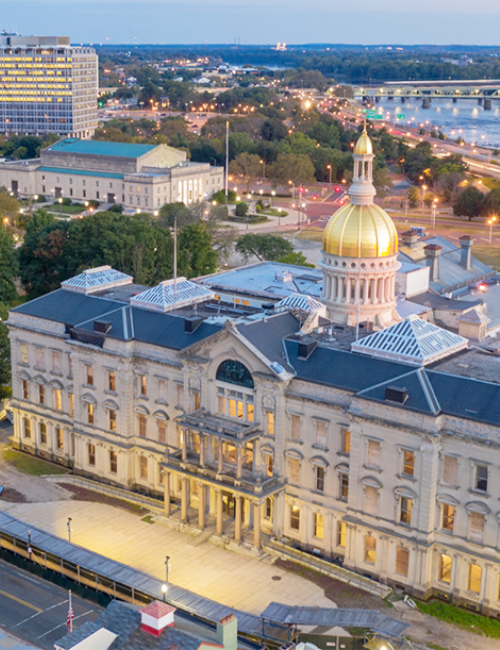

Welcome to Trenton, New Jersey, a remarkable city with a storied past and rich culture. Trenton is located along the beautiful Delaware River. Trenton is one of the oldest cities and is the capital of the state of New Jersey. Trenton has a rich history, including its role in the American Revolution and its legacy of manufacturing. The town has a lot to offer. Delving into Trenton’s history and culture reveals a hidden character of the city. Let’s look at the city’s interesting history, its timeless character, and some fun facts.
Brief Overview
Trenton, NJ, is rich in history and culture, having played a major role in the American Revolutionary War with the Battle of Trenton. As the state capital, it retains historical and political significance. The Old Barracks Museum and William Trent House are among the many historical sites in Trenton, Mercer County. The city has a vibrant cultural scene with the New Jersey State Museum and many family-friendly parks. George Washington and William Trent left lasting legacies in this dynamic city.
Key Highlights
- Trenton, NJ, was vital during the Revolutionary War when General Washington crossed the Delaware River.
- Political compromise, along with Trenton’s geographical advantages, allowed Trenton to become the capital of New Jersey.
- The Old Barracks Museum of Mercer County displays Trenton’s multi-faceted history of the Revolutionary War.
- Trenton also offers some of their cultural diversity and heritage through the New Jersey State Museum.
- Frederick Law Olmsted designed Cadwalader Park, which allows families to enjoy the outdoors in Trenton.
Discovering Trenton’s Historical Significance
As part of the heritage of the nation, the city of Trenton, NJ, had great importance in the history of the nation, particularly during the Revolutionary War. It is one of the historic cities in the country. The Battle of Trenton shapes Trenton’s history. This essay portrays the history of Trenton in the Revolutionary War by talking about the site of the pivotal battles and the crossing of the Delaware by the American leader George Washington, which was a major event in the American struggle for independence.
The Role of Trenton in the Revolutionary War
Trenton was crucial to the Revolutionary War as a strategic point between Philadelphia and New York. General George Washington bravely crossed the icy Delaware River to attack the Hessian forces in the city in December 1776. The Battle of Trenton on December 26 was America’s first decisive victory over the British, boosting morale during a crucial wartime period. Washington’s tactical ingenuity and surprise proved decisive, disrupting British plans and emphasizing Trenton’s strategic importance.
Trenton symbolized American resiliency and determination. This decisive victory shaped the Revolutionary War and led to American independence. In these heroic moments, Trenton’s rich history shows its legacy as a stage for courage, strategy, and the fight for a fledgling nation’s freedom.
Trenton: The State Capital of New Jersey
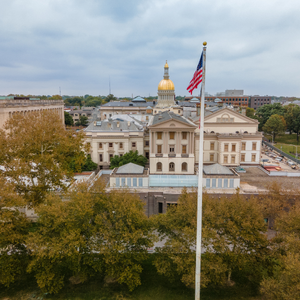
As New Jersey’s state capital, Trenton is both historically important and home to the state’s current government. Trenton was first the center of government activity and became important historically for being the center of state government due to its location. Situated on the Delaware River, Trenton’s location was important historically, and its history continues to shape Trenton’s future. Trenton’s political history as the state capital is an important part of New Jersey’s political history and historical tribute.
How Trenton Became the State Capital
Trenton’s journey to become New Jersey’s capital involves history, politics, and strategic choice. The state capital moved between Burlington and Perth Amboy, but by 1790, Trenton was chosen for its central location. The state government decided on the city because of its scenic Delaware River location halfway between Philadelphia and New York City. It was a compromise between North and South Jersey interests, not just geography. As New Jersey officials debated where to put the capital, Trenton emerged as a practical and symbolic choice that balanced political considerations.
Trenton built infrastructure for the government after becoming the state capital. This transformation included building the New Jersey State House, a political hub. Trenton was crucial to New Jersey’s leadership and decision-making, as evidenced by the State House today. Trenton’s centrality in the state capital symbolizes its historical and ongoing influence on New Jersey’s legislative and executive affairs. Trenton’s legacy as the state capital is deeply intertwined with American independence and the evolution of democracy, reflecting its significant contributions during the Revolutionary War and shaping its identity today.
Trenton’s rich history and pivotal developments have solidified its status as a crucial hub in New Jersey. Key events and landmarks demonstrate its importance:
- New Jersey’s capital since 1790, fostering political and administrative functions.
- The 1776 Battle of Trenton was held here.
- New Jersey’s State House is one of the nation’s oldest state capitols.
- The influential Trenton Thunder, a Double-A Minor League Baseball team, draws residents and tourists.
- The Old Barracks Museum, a National Historic Landmark, displays colonial military history.
- Trenton’s revitalization projects make historical areas vibrant communities that attract cultural and economic investment.
These factors demonstrate Trenton’s continued importance as a political and historical center in New Jersey.
Exploring Mercer County’s Historical Landmarks
The historical landmarks of Mercer County are of significant importance to the overall history of New Jersey. County historical landmarks are primarily centered around the City of Trenton and consist of grand pieces of architecture and locations of great importance within the American history timeline. Mercer County contains many hidden treasures and historical landmarks that tell valuable stories of the county’s importance in American history. This also relates to the historical importance of Trenton and its position within the borders of Mercer County and its history.
Mercer’s Hidden Gems
Hidden landmarks in Mercer County reveal New Jersey’s rich history. Built in 1758, Trenton’s Old Barracks Museum housed British soldiers during the French and Indian War and Hessian troops during the Revolutionary War. Visitors can see early America’s struggles through exhibits and reenactments. Trenton’s oldest building, the William Trent House, was built by the city’s founder in 1719. Its Georgian-style architecture, furnished rooms, and gardens show Trenton’s early development and the lifestyle of colonial New Jersey’s elite.
Mercer County Park reflects the area’s changing culture beyond historical sites. The modern park promotes community engagement and recreation while preserving the county’s history. These hidden gems show Mercer County’s seamless blend of history and modern life, demonstrating its lasting impact.
The Founding and Early Years of Trenton
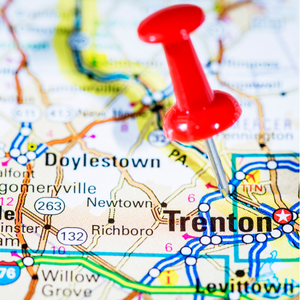
Although settlement of Trenton began during its history as a significant mercantile center of New Jersey, it can now be traced back to the initial settlement of the Delaware Indians and the subsequent laying of the town’s first foundation by European newcomers. These early parishioners first changed the environment within the region and solidified the foundation upon which the township’s future would be built. We’ll learn how the first parishioners changed the township’s first growth and made it a center for changing New Jersey’s history.
First Settlers and Their Impact on Trenton
The first settlers in Trenton faced many opportunities and challenges that shaped the township’s future. Europeans first settled the Lenape-inhabited area in the late 17th and early 18th centuries. The township was founded by influential figures like Mahlon Stacy, who bought land along the Delaware River. These settlers introduced new farming methods that changed the landscape and provided a sustainable lifestyle. Trenton attracted more settlers because of its fertile Delaware River land for farming.
Settlement caused a ripple effect, resulting in the development of community-essential infrastructure. Mills, roads, and bridges connected Trenton to neighboring townships, making it a vital hub for trade. Beyond economic development, these first settlers shaped Trenton’s identity through cultural integration. They established social and political structures that emphasized Trenton’s importance in New Jersey. Trenton became a bustling, strategic township that played a key role in American history due to its pioneering spirit and adaptability.
A Peek into Trenton’s Cultural Scene
At the core of New Jersey’s capital city of Trenton is an exceptional blend of history, art, and culture. The city’s various cultural activities and attractions enrich Trenton’s active celebration of its historical significance and contribution to American history. Trenton’s historical significance and industrial innovations are captured through the city’s motto, ‘Trenton Makes, the World Takes.’ Trenton can blend tradition and newness in multiple cultural activities, making it a delight for both tourists and locals who can immerse themselves in the city’s culture.
Must-Visit Cultural Attractions in Trenton
The cultural attractions of Trenton include the New Jersey State Museum and Planetarium, which showcase New Jersey’s unique cultural and artistic attractions. This museum includes inquisitive collections in the fields of archaeology, the natural sciences, and the arts. It also incorporates and offers planetarium shows. The museum is a welcome addition for those interested in the multifaceted culture of New Jersey. Another of these attractions is the Trenton City Museum, in Ellarslie Mansion, also located in the beautiful Cadwalader Park. This museum is dedicated to the city’s artistic heritage and hosts and collaborates with the community on events featuring modern art and other activities.
For those interested in learning the history of Trenton during the Revolutionary War, there is the Old Barracks Museum. This museum has old barracks open to the public and focuses on Trenton’s important role in the Revolution, as the war in the Americas was termed. With modern attractions and old museums, Trenton has a nice collection of both art and history. Hence, Trenton is a great place for culture.
Outdoor Activities and Parks in Trenton
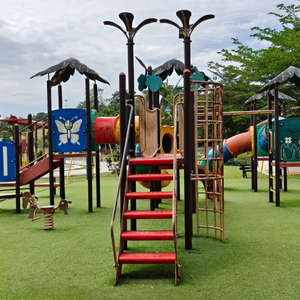
Rich history and culture aside, Trenton, NJ, is also a great place for outdoor lovers. The city’s energetic parks feature both amenities and green spaces for outdoor fun. This site will pinpoint the family-friendly parks that contribute to Trenton’s reputation as a self-sustained and loved community and destination for tourists. The city’s efforts to balance history, culture, and nature will also be outlined.
Family-Friendly Parks and Outdoor Spaces
Trenton is known for its family-friendly public parks and outdoor spaces. Cadwalader Park is the oldest and can be credited to Frederick Law Olmsted’s design. Located in the central district of the city, the park has large open fields, historic structures, and a serene atmosphere, making it a great park for families to enjoy. The park is the largest in the city and a popular spot for the community to enjoy, making it a great location for family picnics and gatherings. The park is a great reflection of the community spirit of Trenton and is large enough to host community events.
Other park facilities in the city include Cadwalader and Stacey parks, which are also family-friendly. This park is ideal for kids and sports enthusiasts, offering a range of athletic fields and playgrounds. A walking trail for people who enjoy the outdoors is also available. Mill Hill Park is also in Trenton and adds some history to the outdoor activities available to the public. This park is located along Assunpink Creek and is historic and has beautiful scenery. The park offers the city and its people a variety of annual festivals, celebrating the culture of the city. The city is making an effort to combine history with modern activities and living spaces, providing vibrant outdoor activities for families and adding to the city’s rich history with the use of all the parks in Trenton.
| Park Name | Key Features | Location | Activities Offered |
|---|---|---|---|
| Cadwalader Park | Scenic walking paths, historic structures | Trenton’s West Ward | Picnicking, hiking, playgrounds |
| Lambertville Station Park | Riverside views, tranquil environment | Downtown Trenton | Fishing, biking trails, birdwatching |
| Riverview Park | Sweeping river vistas, open green spaces | South Trenton | Sports fields, jogging, family events |
| Carver Park | Historical significance, community gardens | East Trenton | Garden tours, historical walks, social gatherings |
This table summarizes Trenton’s major parks, demonstrating the city’s commitment to enriching outdoor experiences for families and visitors.
Trenton’s history and culture make it a fascinating destination. Trenton offers residents and visitors a wide variety of experiences, from its role in American independence to its pottery prominence. Trenton has a story for every corner, whether you’re walking old streets or visiting art galleries. Admire Trenton’s charm and discover its unique charm, where history and modernity blend to create a dynamic city full of surprises.
Looking to sell your Trenton, NJ, home? Whether you want to sell quickly, avoid costly repairs, or have a hassle-free experience, Better Cash Buyer is here to help. We offer fair cash offers, handle all the details, and make the process seamless. Connect with cash home buyers in Trenton, NJ, or a company that buys homes in New Jersey, today. Contact us (347) 386-2549 for a no-obligation offer and get started on selling your house fast!
FAQs
What role did Trenton play in the American Revolutionary War?
George Washington crossed the Delaware River to fight at Trenton, NJ, on December 26, 1776. The Hessian defeat boosted American morale and scuttled British plans.
Why was Trenton chosen as the state capital of New Jersey?
Trenton was New Jersey’s capital in 1790 due to its central location between Philadelphia and New York City. North and South Jersey compromised on this.
What are Trenton’s historical landmarks?
Trenton landmarks include the Old Barracks Museum, the William Trent House, and the New Jersey State Museum. These sites illuminate the city’s culture and the Revolutionary War.
Who were some of the important figures associated with Trenton’s history?
General George Washington, who won the Battle of Trenton, and William Trent, the city’s namesake, shaped its early economy. Mahlon Stacy and other early settlers shaped the township.
What Trenton parks are family-friendly?
Trenton has several family-friendly parks, including Frederick Law Olmsted’s Cadwalader Park, with beautiful scenery and historic sites. The city’s sports fields and playgrounds at Stacey Park show its community and outdoor activities focus.
Helpful Trenton Blog Articles
- Paperwork For Selling Your House By Owner In Trenton, NJ
- Selling A House With A Lien In Trenton, NJ
- Selling A Foreclosed House In Trenton, NJ
- Closing Costs Without A Realtor In Trenton, NJ
- Selling Your Trenton, NJ, Home As-Is
- Is Trenton, NJ, a Good Place to Live?
- Trenton, NJ Neighborhood Map
- Trenton, NJ Capital Gains Tax Calculator
- Best Things to Do in Trenton, NJ, With Kids
- Trenton, NJ, Property Managers
- Trenton, NJ, Property Tax Rate
- Fun Facts About Trenton, NJ
- Trenton, NJ Cost of Living
- Is Trenton, NJ, Safe?